
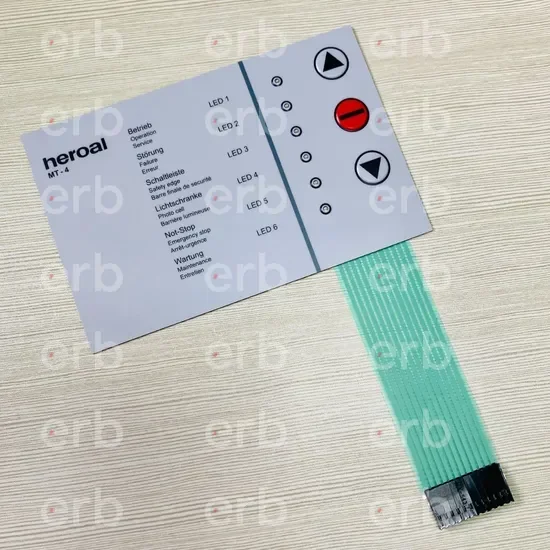
Explore the intricacies of membrane switches, including their components, advantages, and applications in modern electronic devices.
Defining Membrane Switches
At the heart of many electronic interfaces lies the membrane switch, a vital component that allows users to engage with devices. These switches are characterized by their slender and flexible design, making them ideal for a wide range of applications. In this article, we will delve into the operational mechanics of membrane switches, their design intricacies, and the advantages they offer within the tech landscape.The Role of Conductor Traces in Membrane Switches
Conductor traces serve as the backbone of membrane switches, facilitating the transmission of signals. Upon user interaction—such as pressing the switch—these traces activate electrical contacts, enabling the device to respond accordingly. Consider the following critical aspects of conductor traces:- Streamlined Design: The layout of conductor traces should resemble a circuit diagram, carefully mapping out their size and position to optimize user engagement.
- Material Choices: Typically crafted from silver, copper, or conductive polymers, the performance of these traces is heavily influenced by the conductivity of the materials selected.
- Protective Coating: To enhance durability, conductor traces are often shielded with a protective layer that defends against wear, chemicals, and thermal effects.
- Pros:
- Lightweight and Compact: Membrane switches can be engineered to fit in tight spaces without compromising functionality.
- Aesthetic Versatility: They offer extensive customization options, including various designs and Lexan labels.
- Cost-Effective Production: Their manufacturing processes are generally less expensive, making them a budget-friendly choice.
- Cons:
- Durability Concerns: Over time, membrane switches may experience wear and tear compared to other switch types.
- Sensitivity Limitations: For certain applications, these switches may lack the required sensitivity.
Membrane switches are utilized across various sectors, including industrial machinery and consumer electronics, where they are especially favored for user interfaces.2. What is the average lifespan of a membrane switch?
The lifespan of membrane switches can range from 1 to 5 years, influenced by the quality of materials and operating conditions.3. What materials are typically used in their construction?
Common materials employed for conductor traces include silver, copper, and various conductive polymers.4. Can membrane switches be designed to be waterproof?
The waterproof capabilities of membrane switches depend on their construction and materials, which can be improved through specific waterproof coatings.In SummaryMembrane switches represent a fundamental element in the realm of modern electronics. The meticulous design of conductor traces not only boosts the functionality of these switches but also enhances the overall user experience. When designing these switches, it is crucial to consider material selection and design methodologies to produce effective and durable membrane switches.