
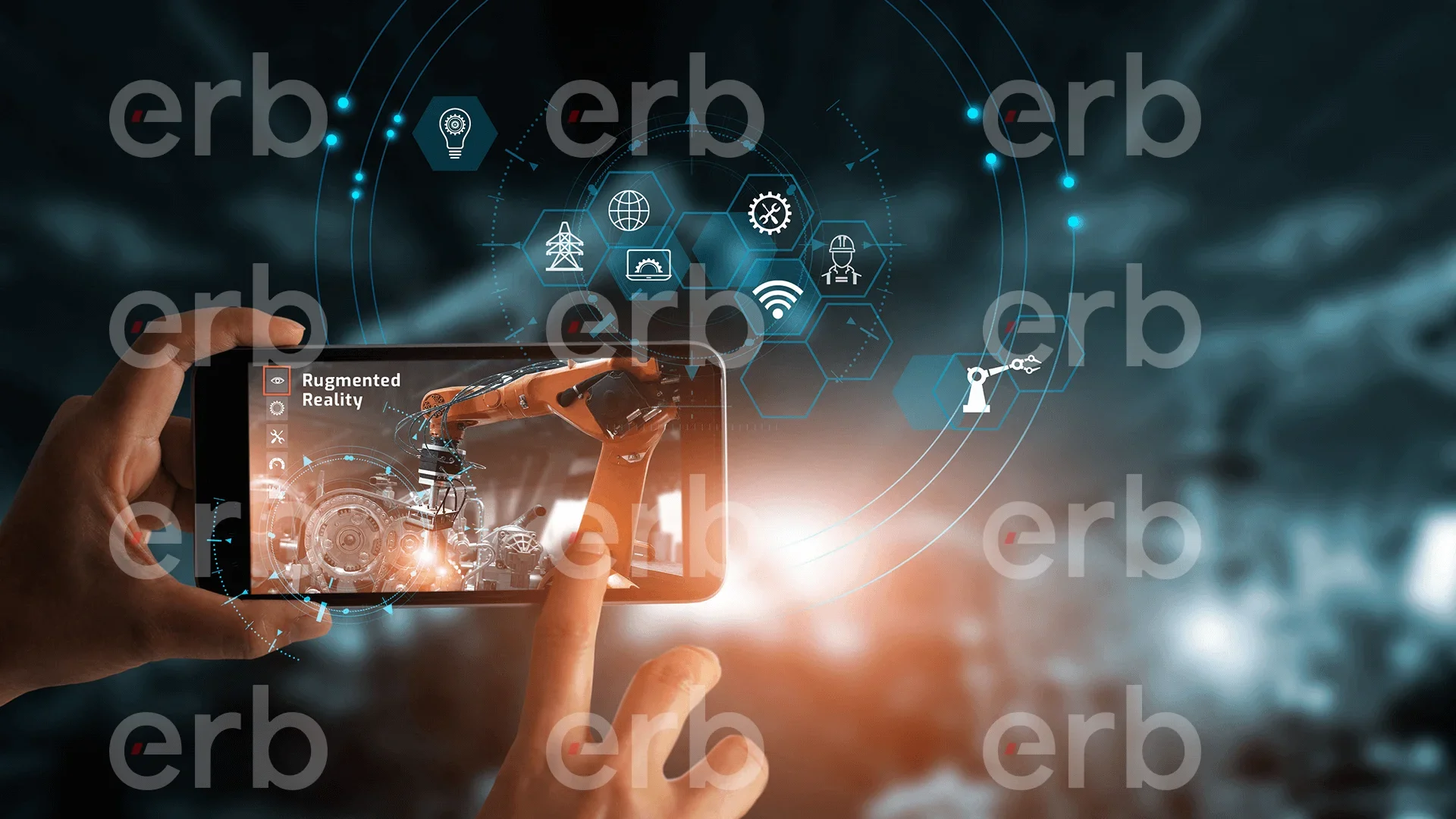
Explore the Industrial Internet of Things (IIoT) and its transformative impact on industries, enhancing efficiency and enabling data-driven decisions.
Understanding the Industrial Internet of Things (IIoT)
The Industrial Internet of Things (IIoT) is revolutionizing the way industries operate by integrating advanced communication technologies into their infrastructure. This modern framework establishes robust connections between people, machines, and systems through a comprehensive data loop. This loop encompasses essential processes, including data collection, transmission, computation, analysis, and application, fostering a responsive production and service ecosystem that enhances the entire industrial value chain.
At the heart of this ecosystem lies the IIoT platform, which acts as the backbone for industrial enterprises. By delivering smart products and services at scale, it accelerates the digital transformation and intelligent evolution of businesses within various sectors.
How Does IIoT Function?The operational mechanics of the Industrial Internet rely heavily on the effective collection and analysis of data. Here are key functionalities that illustrate the workings of IIoT:
- Data Collection: Continuous data streams are gathered from machinery and systems through a network of sensors.
- Data Transmission: The gathered data is sent to IIoT platforms via the internet for further processing.
- Data Analysis: Advanced analytics, powered by big data and artificial intelligence, are employed to derive insights from the transmitted data.
- Application: Insights gained from analysis enable the optimization of production processes, enhancing operational efficiency.
Benefits of IIoT
- Increased Operational Efficiency: IIoT streamlines production processes, markedly enhancing productivity.
- Data-Driven Decision-Making: Real-time analytics empower businesses to make informed decisions.
- Agility: Production systems can be swiftly adjusted to respond to changing customer demands.
- Cost Efficiency: Automation and data analysis can lead to significant long-term cost reductions.
Challenges of IIoT
- High Initial Investment: The setup costs for IIoT systems can be substantial.
- Cybersecurity Vulnerabilities: Connecting systems to the internet increases the risk of cyberattacks.
- Complex Data Management: Managing the vast amounts of data generated can present significant challenges.
- How does IIoT differ from IoT? IIoT is specifically tailored for industrial applications, whereas IoT encompasses a broader range of consumer technologies.
- What industries benefit from IIoT? IIoT finds applications in numerous sectors, including manufacturing, energy, transportation, and agriculture.
- What measures can enhance IIoT security? Security can be bolstered through regular software updates, robust encryption methods, and comprehensive network security protocols.
The Industrial Internet is crucial to the Fourth Industrial Revolution, which seeks to integrate the digital economy with real-world industrial practices. IIoT stands as a key enabler of high-quality development and enhances the global competitiveness of industries. Traditional industrial systems often face challenges in adapting to customizable production demands, but IIoT offers innovative solutions for seamless integration.
In conclusion, the Industrial Internet of Things has the potential to revolutionize industries by addressing the contemporary demands of industrial systems while promoting flexible and agile production methodologies.